
Smallholders are the backbone of Malaysia’s palm oil industry. Smallholders in the palm oil industry are categorized into independent and organised smallholders. According to the MSPO standard definition, independent smallholders are defined as: “Individual farmers who own or lease less than 40.46 hectares of an oil palm smallholding and manage the smallholding themselves. Independent smallholders or lessees may employ workers to carry out daily work at their smallholdings.
Organized smallholders, according to the MSPO standard, are defined as: “Individual farmers who own or lease less than 40.46 hectares of an oil palm smallholding and the holdings are managed by government agencies such as the Federal Land Development Authority (FELDA), Federal Land Consolidation and Rehabilitation Authority (FELCRA), Sarawak Land Consolidation and Rehabilitation Authority (SALCRA), Sabah Land Development Board (SLDB)”.
As a pioneer and major palm oil producer in Sarawak, the Group recognises the engagement of smallholders as an essential contribution towards advancing the Sustainable Development Goals (SDGs). Smallholders are traditionally small-scale farmers who are part of the surrounding communities and often face limitations in accessing the resources, knowledge, and expertise needed to improve productivity and adopt more sustainable practices.
Although smallholders, including oil palm (OP) smallholders, account for less than 5% of SOP’s FFB supply chain, they remain an integral part of the Group’s sustainability strategy. Their participation plays a crucial role in supporting the livelihoods of families who depend on income generated from FFB sales.
As such, the Group is committed to strengthening its engagement with smallholders and continuing to source from them, ensuring that they remain included in the Group’s supply chain and continue to benefit from the opportunities and support associated with sustainable palm oil production.
The Group views smallholder engagement as a vital mission—one that ensures rural farmers are not merely participants in the palm oil industry, but valued partners in building a more sustainable and inclusive future. Through continued collaboration, capacity building, and support, the Group remains committed to empowering smallholders and strengthening their role within a sustainable palm oil supply chain.
Our engagement strategy is deeply rooted in the United Nations Sustainable Development Goals (SDGs), focusing on three core pillars:
SDG 3: Good Health and Well-being: Beyond the fields, the Group remains committed to investing in the well-being of our people and surrounding communities. Through community outreach initiatives, sports activities, and festive celebrations such as our Pre-Christmas events, we seek to strengthen social cohesion, promote mental well-being, and support healthier, more balanced lifestyles among our stakeholders.
The Group continues to engage with local communities through various programmes, including the Vision Care Project, Blood Donation Drives, paediatric rehabilitation support, and Disaster Relief Aid initiatives. These efforts reflect our commitment to creating meaningful social impact and contributing positively to the communities where we operate.
SDG 11: Sustainable Cities and Communities: By providing technical training on Good Agricultural Practices (GAP) and mechanisation, the Group empowers remote longhouses and villages to strengthen their agricultural capabilities and build more resilient local economies. These initiatives support the transition from traditional farming practices towards sustainable livelihoods, while preserving the heritage, knowledge, and natural resources of the land for future generations.
SDG 17: Partnerships for the Goals: Sustainability cannot be achieved in isolation. We collaborate closely with government bodies like MPOB, MPOCC, and the Department of Agriculture (DOA) to bridge the gap between smallholders and global standards, ensuring every farmer has the support to achieve MSPO certification.
Despite their growing presence, smallholders continue to face challenges such as limited access to sustainable practices, financial constraints, resource shortages, and the complex demands of certification schemes like MSPO and EUDR. Recognizing these hurdles, the Group has stepped up since 2020 through its Smallholders’ Engagement Programmes (SEP), designed to integrate independent smallholders into a sustainable supply chain by focusing on capacity building, certification readiness, and long-term inclusion.
The Group’s approach is holistic. Beyond technical training, the company fosters awareness of sustainability policies and market expectations. By collaborating with industry partners and local communities, SOP Group empowers smallholders to actively participate in sustainable palm oil production. The main aim of this engagement is to provide small-scale farmers with training, technical support, market access, and clear communication channels—helping them improve livelihoods while mitigating environmental impacts through responsible and Good Agricultural Practices (GAP). In addition, engaging with smallholders promotes responsible sourcing by ensuring adherence to No Deforestation, No Peat, No Exploitation (NDPE) commitments.
The Group believes that sustainable palm oil production is a shared journey. Over the years, the Group has moved beyond the boardroom and into the heart of Sarawak’s rural communities, ensuring that independent smallholders are not left behind in the global shift toward sustainability. The journey took a significant step forward in 2020 at Long Kevok, a Penan longhouse of 90 doors. In a session organized by the Women’s Wing of PBB, the Group’s joined forces with government agencies like the Malaysian Palm Oil Board (MPOB) to reach one of Sarawak’s most remote indigenous groups. The event saw a remarkable turnout, with 225 participants attending out of 250 registered representatives from 10 surrounding longhouses. Galau Melayong, the Group’s Head of Sustainability, introduced MSPO certification to the Penan community who are traditionally
In 2021, the Group returned to the Baram region to participate in the AgriCop 2021 outreach programme, held at the Long Bemang longhouse community hall. The collaborative initiative, organised by the Sarawak Department of Agriculture (DOA), the Malaysian Palm Oil Board (MPOB), and the Malaysian Palm Oil Certification Council (MPOCC), was aimed at supporting cash crop farmers and Independent Smallholders (ISH).
The two-day programme, held from 26 to 27 November, attracted 350 farmers who were keen to enhance their agricultural practices, modernise their operations, and align with national sustainability and certification standards.
During this session, the focus shifted from theory to practice. The Group’s Head of Sustainability (HOS) Galau Melayong shared Group’s practical experience on application of technology in oil palms plantations in a presentation titled “Perkongsian Penggunaan Teknologi dalam Perladangan Kelapa Sawit”, which meant “Sharing on Technological Application in Oil palms Plantations”, which was essentially the adoption of Good Agricultural practices (GAP) in the industry. A highlight of the event was the demonstration of mechanized harvesting using the “cantas” motorized tool. Crucially, the Group used this platform to proactively inform and engage smallholders on the mandatory MSPO certification requirements and upcoming deadlines. Smallholders were made aware that mills would no longer be able to accept FFB from uncertified farmers once the requirements take effect.
The year 2022 was marked by both professional empowerment and community fellowship. In October, the Group participated in AgriCop 2022 at Long Atip, Telang Usan. Officiated by the Minister of Modernization of Agriculture and Regional Development, the event was attended by approximately 250 community members. Sustainability & Conservation Manager, Marcie Elene led the presentation, “Kemampanan Kelapa Sawit,” which highlighted the Group’s adherence to both MSPO and ISCC (International Sustainability and Carbon Certification) standards. To cap off the year, the Group celebrated the Pre-Christmas Celebration at Sg. Asap, Belaga on December 3rd. Beyond technical training, this event focused on the “human” side of the industry. Smallholders from Long Bangan, Uma Sambop, Batu Pilau, and Long Semutut gathered for a day of volleyball, karaoke, and a Christmas Mass. By blending spiritual celebration with social engagement, the Group reinforced its role not just as a business partner, but as a dedicated member of the community.
In 2024, the Group deepened its technical support through a specialized training session at Telabit Estate. Led by a Senior Estate Manager, Pannirselvam A/L Thanigasalam the session focused on chemical handling for local smallholders representing three longhouses. Participants received hands-on instruction on the proper usage and maintenance of spraying equipment, as well as the identification of suitable chemicals for weed control. This intimate training reflects our commitment to equipping stakeholders with essential skills that promote both environmental safety and occupational health.
By continuously conducting these engagement programmes, the Group not only fulfills MSPO’s inclusion requirements but also empowers smallholders, strengthens certification compliance, and enhances the overall sustainability of its supply chain.
Objectives:
1.To enhance rapport and create awareness of SOP Group Sustainability Policies among smallholders, FFB suppliers, and local communities.
2.To encourage smallholder cooperation in adhering to our No Deforestation, No Peat, No Exploitation (NDPE) commitments and actively engage with local communities to prevent and manage deforestation.
3.To share knowledge and updated information on relevant requirements such as EUDR and MSPO with FFB suppliers.
4.To conduct training sessions to share best practices and knowledge aimed at improving crop productivity for smallholders.
Manpower – Personnel Involvement
The engagement programmes were conducted by SOP Sustainability Department, with collaboration from the operating units.
Phase
Preparation and planning.
The Sustainability Team will prepare and finalize Sarawak Oil Palms (SOP) Smallholder Engagement Plan, training material, training feedback form, list of smallholders, and approval from Management.

Implementation
The Sustainability Department will collaborate with SOP mills to oversee engagement programs for smallholder FFB suppliers, except Metanik POM which has no smallholders, while the Sustainability Team —comprising personnel from the Sustainability Department, Estate, and Mill —will actively engage smallholders and local communities around SOP mills through awareness briefings and training activities.
Summary / report preparation
The Sustainability Team will compile a summary report from smallholder engagement feedback forms. The report will highlight key insights, concerns, and areas for improvement, and findings will be shared with stakeholders to strengthen support and foster sustainable relationships with the smallholder community
Post-mortem
The team will hold a post-mortem meeting to review the SWOT analysis from engagement feedback, evaluating strengths, weaknesses, opportunities, and threats. Based on these insights, a follow-up action plan will be developed with clear steps, timelines, and responsibilities to address challenges, leverage opportunities, and reinforce successful strategies, thereby strengthening smallholder relationships and enhancing supply chain sustainability.
Expected Outcomes
1.Improve awareness of the Group’s policies among the smallholders including local communities and FFB suppliers.
2.Foster stronger relationships and support for the Group’s policies among smallholders, local communities, and FFB suppliers.
3.Improve smallholder knowledge of oil palm-related certifications such as MSPO, ISCC and EUDR.
4.Enhance agricultural knowledge and increase crop yields of the smallholders, local communities, and FFB suppliers.
5.Ensure that our suppliers, including smallholders, are committed to sustainable palm oil practices within the supply chain.
SMALLHOLDERS’ ENGAGEMENTS CONDUCTED – 2025
The planned timeframe for smallholder engagement is illustrated in the table below.
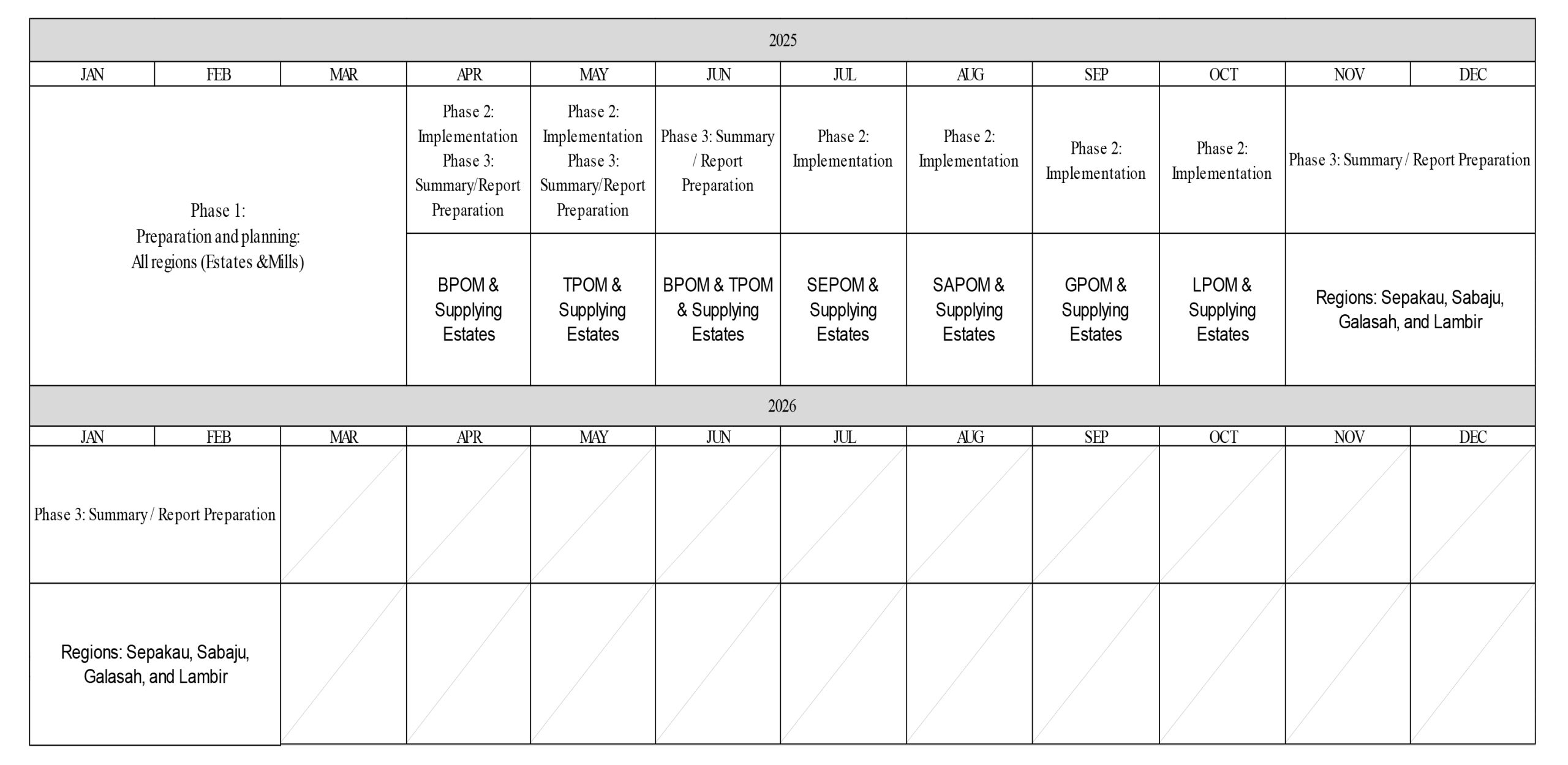
Independent smallholders, despite their growing role in the palm oil sector, continue to face challenges including limited access to sustainable practices, financial constraints, resource limitations, and the complexities associated with certification requirements such as MSPO and EUDR.
To address these challenges, the Group has implemented Smallholders’ Engagement Programmes (SEP) since 2020, focusing on capacity building, certification preparedness, and long-term inclusion of smallholders within a sustainable supply chain. The Group’s SEP extends beyond a compliance requirement; it represents a community-driven commitment to strengthening livelihoods, enhancing capabilities, and enabling fair participation in the global palm oil market.
Through these programmes, numerous smallholders have gained greater awareness of the importance of MSPO certification and have been supported in aligning their agricultural practices with national and international sustainability standards.
A summary of smallholder engagement and participation levels across our operational regions is provided below:
Table 1 Number of Smallholders in SOP Direct Supply Chain – SEP Participations
| Region / POMs |
No. of Smallholders | Participation (%) | ||
|---|---|---|---|---|
| Total | Attended | Not Attended | ||
| Balingian | 59 | 28 | 31 | 47.5 |
| Tinbarap | 265 | 5 | 260 | 1.9 |
| Sepakau | 1237 | 33 | 1204 | 2.7 |
| Sabaju | 137 | 26 | 111 | 18.9 |
| Galasah | 680 | 15 | 665 | 2.2 |
| Lambir | 248 | 24 | 224 | 9.7 |
| TOTAL | 2626 | 131 | 2495 | 5.0 |
A total of 2,626 smallholders were identified as smallholders’ FFB suppliers for all the seven (7) SOP POMs. In 2025, 131 smallholders participated in the SEP session, representing an overall participation rate of 5.0%. The highest participation rate was recorded in Balingian Region (47.5%), while other regions such as Sepakau (2.7%), Galasah (2.2%), and Tinbarap (1.9%) showed minimal involvement.
From last year 2025 post-mortem and feedback:
• SH request to continue to conduct this event on annual basis to support smallholders/FFB suppliers in adopting good agricultural practices aimed at improving crop productivity.
• As part of the company’s continuous improvement efforts, this event should be held once a year across all the 7 regions where SOP POMs are located.
In 2025, SEP sessions were conducted in several regions. On 28–29th April, a total of 28 participants attended the engagement programme in the Balingian Region, specifically at Kuala Tatau 1 Estate and Sg Liuk Estate.
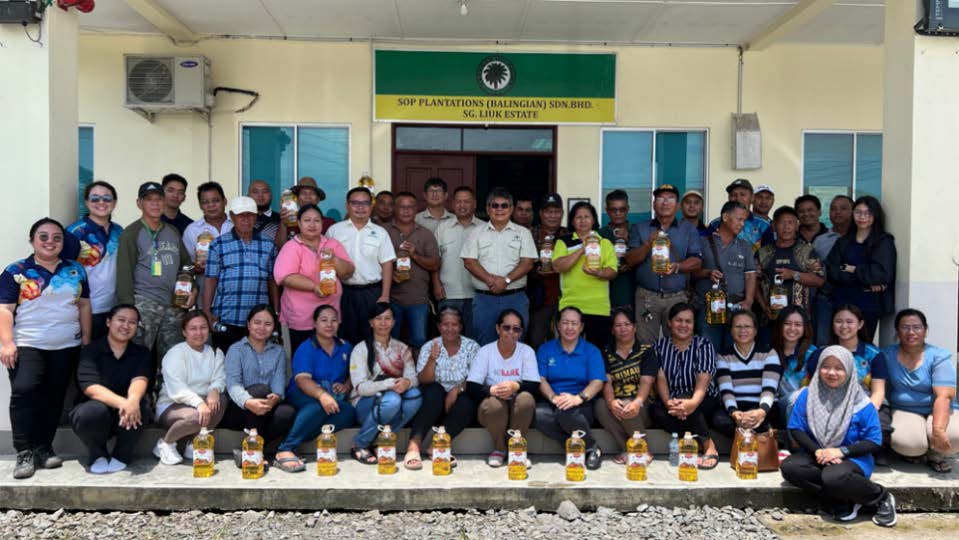
Figure 1 Smallholders’ Engagement Programme at Sg. Liuk Estate
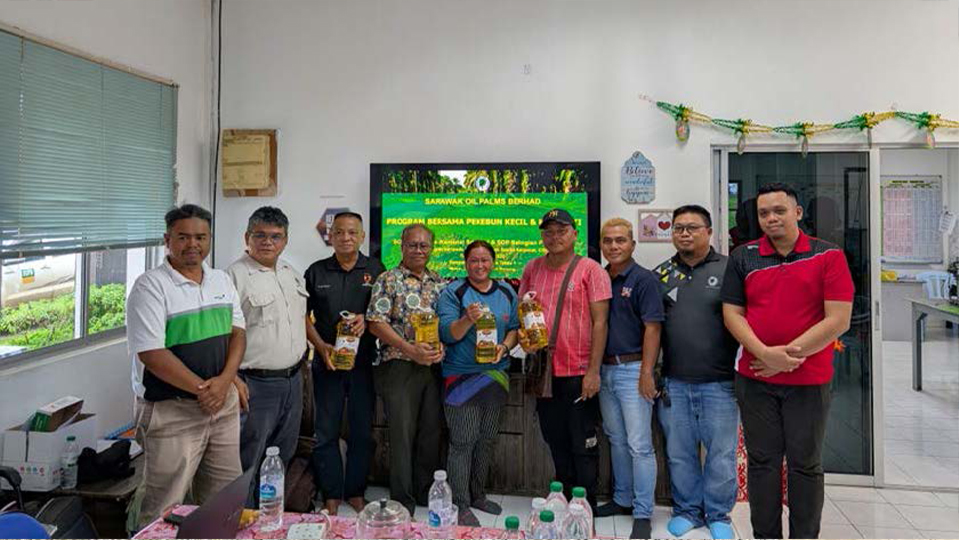
Figure 2 Smallholders’ Engagement Programme at Kuala Tatau 1 Estate.
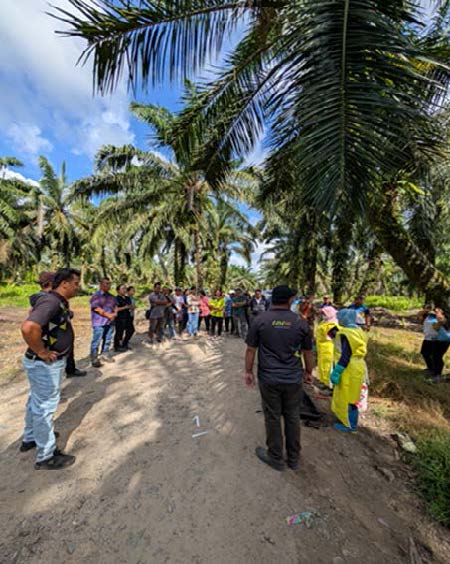
Figure 3 Field demonstration at Kuala Tatau 1 Estate
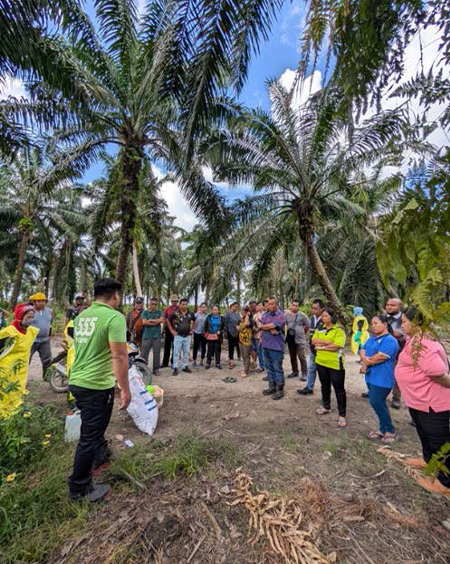
Figure 4 Field demonstration at Sg Liuk Estate
Subsequent sessions were held in the Tinbarap Region on 19th May 2025 and in the Sepakau Region from 21–25th July 2025.
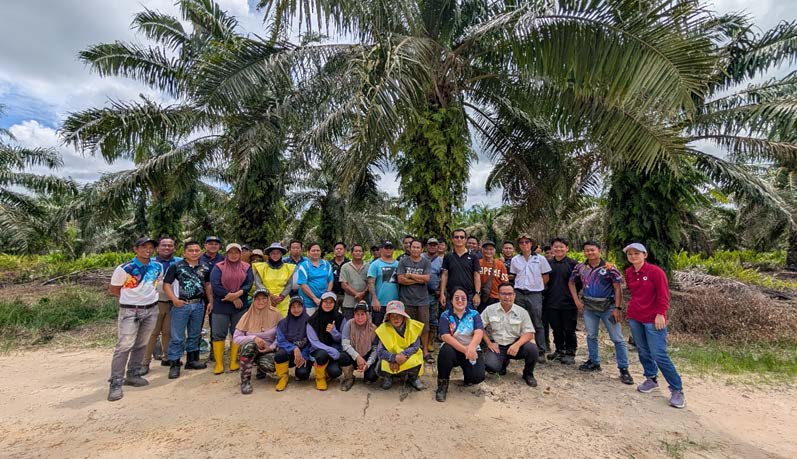
Figure 5 Smallholders’ Engagement Programme at Tinbarap 5 Estate
In the Sepakau region, smallholder engagement was conducted in a more intimate and practical setting. A total of 33 smallholders were approached during their routine delivery of Fresh Fruit Bunches (FFB) to the mill, allowing for timely and relevant discussions within the context of their daily operations. This personalized method of engagement encouraged open dialogue and helped foster stronger relationships between the mill and its suppliers.
During these interactions, smallholders received targeted briefings designed to enhance agricultural practices and support compliance with regulatory requirements.
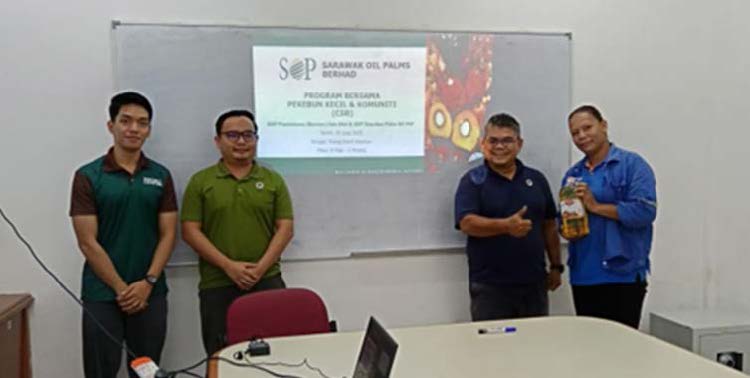
Figure 6 Smallholders’ Engagement Programme at Sepakau Palm Oil Mill fostering community collaboration and promoting sustainable palm oil practices
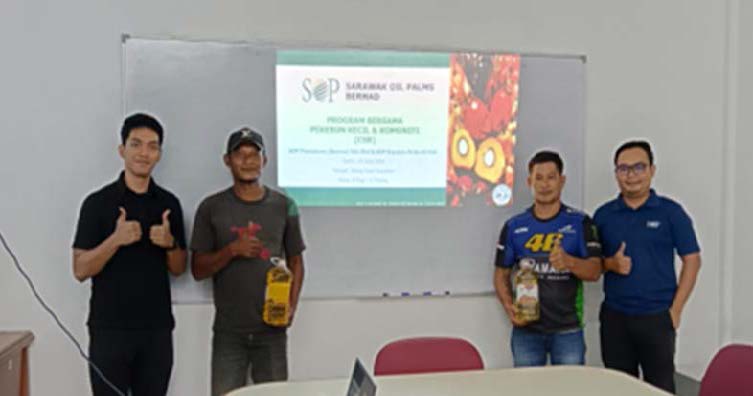
Figure 7 Smallholders’ Engagement Programme at Sepakau Palm Oil Mill
The Group’s smallholder engagement programmes continued across the Sabaju, Galasah, and Lambir Regions, reinforcing the Group’s commitment to supporting smallholders through knowledge sharing, capacity building, and closer collaboration.
On 29 August 2025, a smallholder engagement session was conducted in the Sabaju Region and attended by 26 smallholders who are direct suppliers to the Sabaju Palm Oil Mill and Sabaju Collection Centre. The programme was further supported by the Sabaju Palm Oil Mill team, which provided an overview of the Fresh Fruit Bunch (FFB) grading process to enhance smallholders’ understanding of quality requirements and grading standards. This was complemented by a presentation on Good Agricultural Practices (GAP) delivered by the Sustainability Department, focusing on sustainable farming practices and continuous improvement.
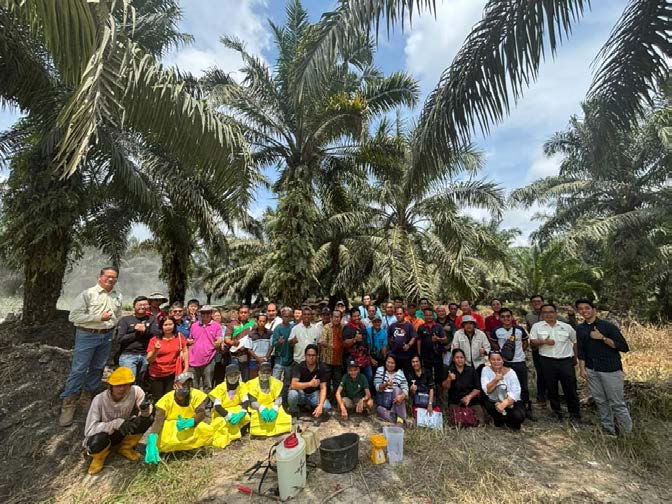
Figure 8 Smallholder’s engagement at Sabaju Region
In addition, Sabaju 1 Estate Management also demonstrated key field operations, including harvesting, spraying, and manuring. This initiative reflects the Group’s ongoing commitment to knowledge-sharing and strengthening collaboration with smallholders.
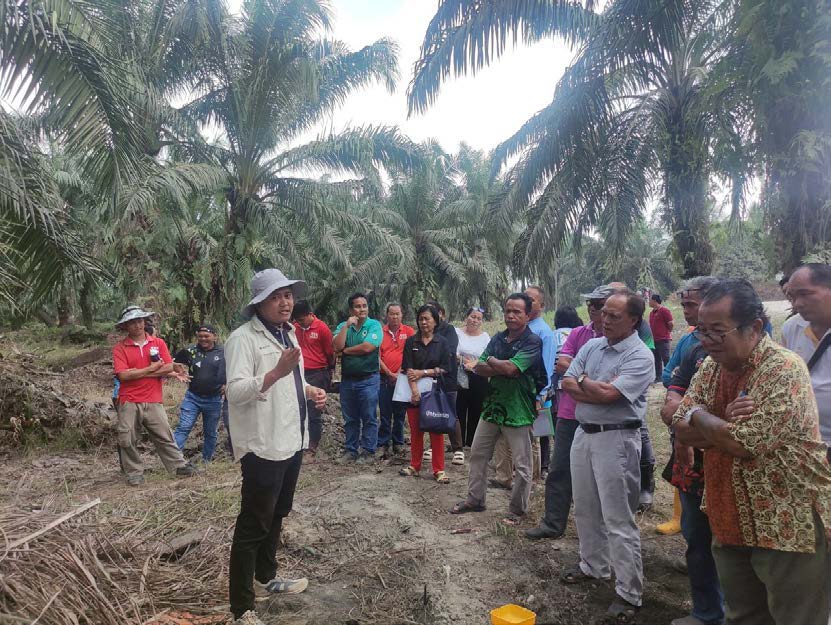
Figure 9 Field Demonstration by Sabaju 1 Estate Personnel
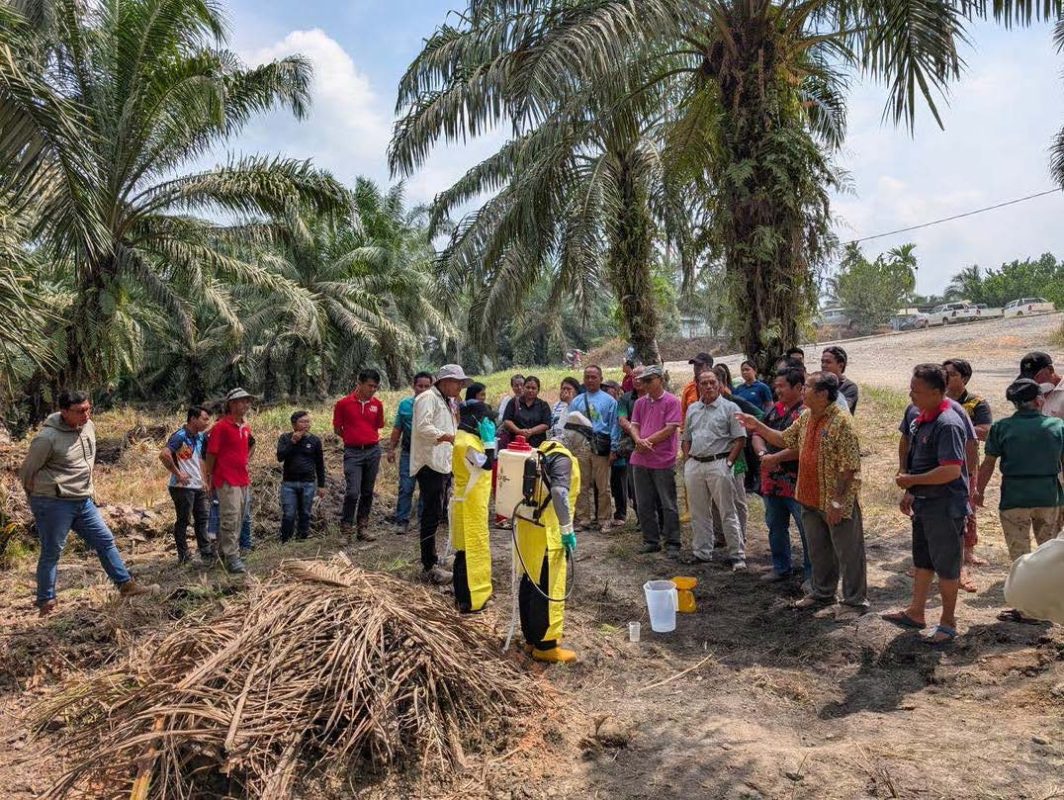
Figure 10 Spraying Operations demonstrations by Sabaju 1 Estate Personnel
This was followed by a smallholder engagement session for the Galasah Region on 18 September 2025, which was attended by 15 smallholders. The programme included a session on Good Agricultural Practices (GAP) conducted by the Sustainability Department, followed by an explanation of FFB grading practices delivered by the Mill Management Team.
The engagement provided smallholders with greater awareness of sustainable farming practices, FFB quality requirements, and the importance of meeting industry standards to improve productivity and maintain market access.
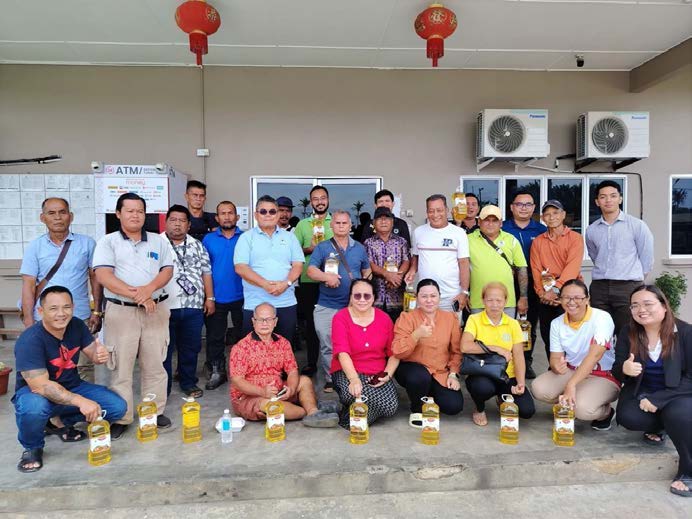
Figure 11 Smallholder’s Engagement at Galasah’s Palm Oil Mill for Galasah Region
The last smallholder engagement session for 2025 was conducted on 27th November 2025 at SOP Academy Lambir Training Centre for Lambir Palm Oil Mill FFB suppliers. A total of 24 FFB suppliers attended the programme and SOP personnel from Sustainability Department shared the usual Good Agricultural Practices (GAP), while representatives from Lambir Palm Oil Mill presented the FFB grading process, demonstrating the Group’s commitment to ensuring smallholders are well-informed about FFB grading standards to produce high quality palm products.
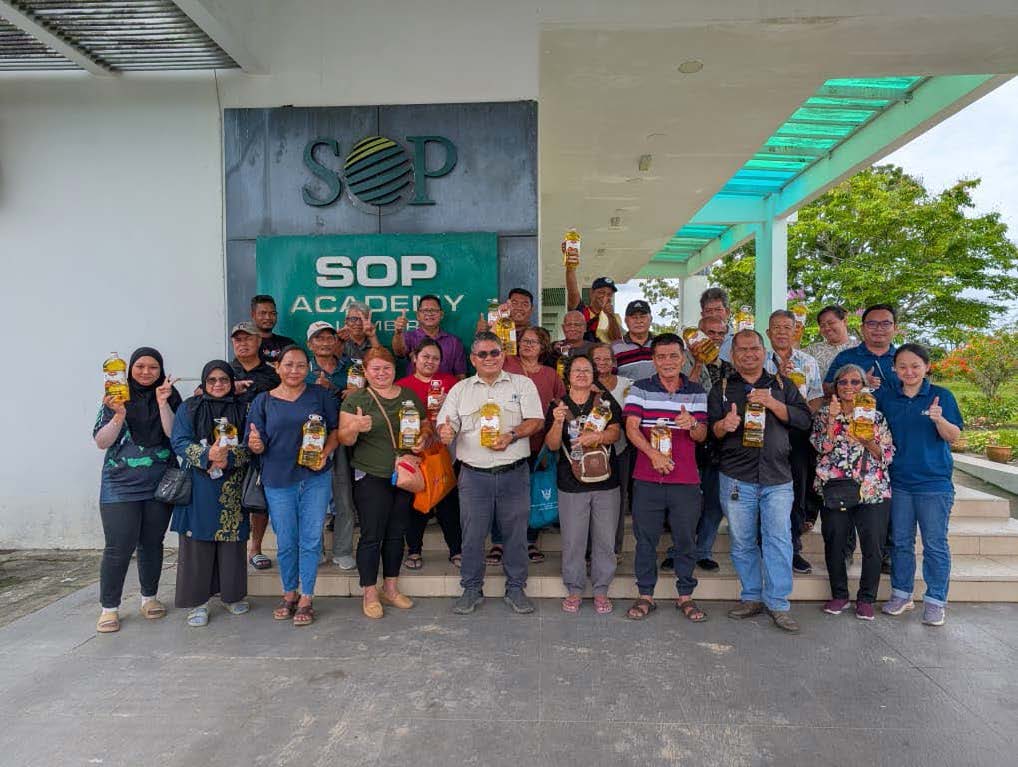
Figure 12 Smallholder’s Engagement at Lambir Training center for Lambir Region
To enhance the training effectiveness, Estate Management personnel from Lambir 1 & Lambir 2 estates organised field demonstrations on Good Agricultural practices (GAP) in harvesting of FFB, weed maintenance works and the correct placement of fertilizer to optimize nutrients uptake in actual oil palms plots adjacent to the Lambir Training Center.
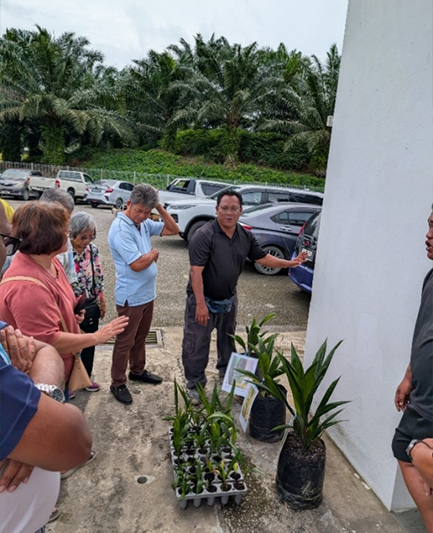
Figure 13 Seedling demonstration shown by Lambir 2 Estate personnel
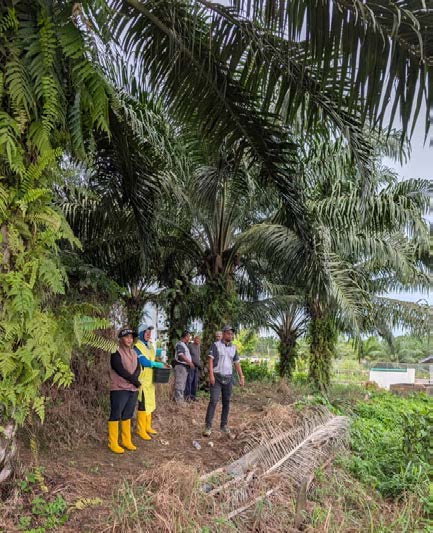
Figure 14 Field Operations demonstration by Lambir 1 Estate personnel
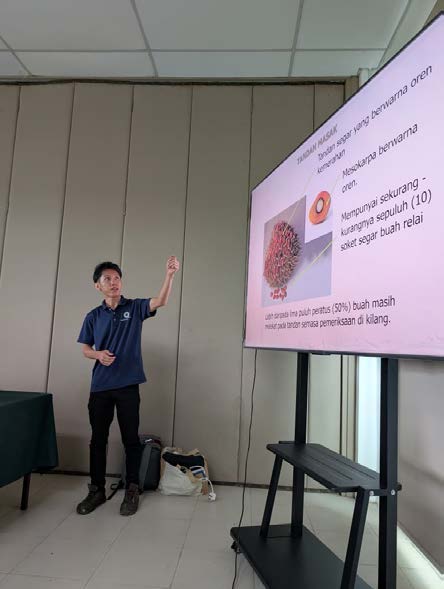
Figure 15 Mill Management representative explaining the grading process to Smallholders
The Smallholders’ Engagement Programmes (SEP) conducted by the Group play a crucial role in supporting smallholders in remote areas of Sarawak by bridging infrastructure and capacity gaps. Through these initiatives, the Group seeks to improve access to knowledge, resources, and support systems, enabling smallholders to enhance productivity, adopt sustainable practices, and strengthen their livelihoods.
Key aspects of the initiative include:
1. Empowerment and Support: The Group provides ongoing mentorship and practical solutions to help smallholders improve their livelihoods and meet global sustainability benchmarks.
2. Sustainability and Inclusivity: The initiative promotes sustainable, ethical, and responsible industry practices while ensuring the inclusion of smallholders in the supply chain.
3. Strengthening the Supply Chain: The program is part of a continuous effort to ensure a sustainable supply of Fresh Fruit Bunches (FFB) for the Group.
4. Socio-economic Impact: By investing in smallholder development, the Group supports the resilience of rural communities in Sarawak.
These engagements are a permanent, ongoing commitment by the Group to ensure sustainability and regulatory preparedness among smallholders.